Why Authenticity Matters: Spotting Fake African and Asian Artifacts Before You Invest
Collecting African and Asian artifacts is more than just a hobby—it’s a journey through history, culture, and artistry. From intricately carved African masks to delicate Asian ceramics, each piece tells a story of its origin, the hands that made it, and the traditions it represents. But in a world where antique and cultural artifacts can fetch thousands—or even millions—of dollars, authenticity is everything. Investing in fakes isn’t just a financial risk; it’s a cultural one. Here’s why authenticity matters and how you can protect yourself when buying these treasures.
The Stakes: Why Authenticity is Crucial
Authentic artifacts carry not only financial value but also cultural and historical significance. A genuine Benin bronze or Ming dynasty porcelain is a tangible piece of human history. Buying a fake means losing out on this connection and, worse, contributing to the circulation of forgeries that undermine genuine cultural heritage.
From a financial perspective, a fake artifact can result in significant monetary loss. While authentic pieces appreciate over time, fakes are essentially worthless in the collector’s market. Authenticity also affects provenance—the documented history of an artifact—which is key for resale, museum acquisitions, and scholarly research.
Common Signs of Fake African and Asian Artifacts
Spotting a fake requires knowledge, observation, and sometimes a bit of detective work. Here are some key red flags to watch for:
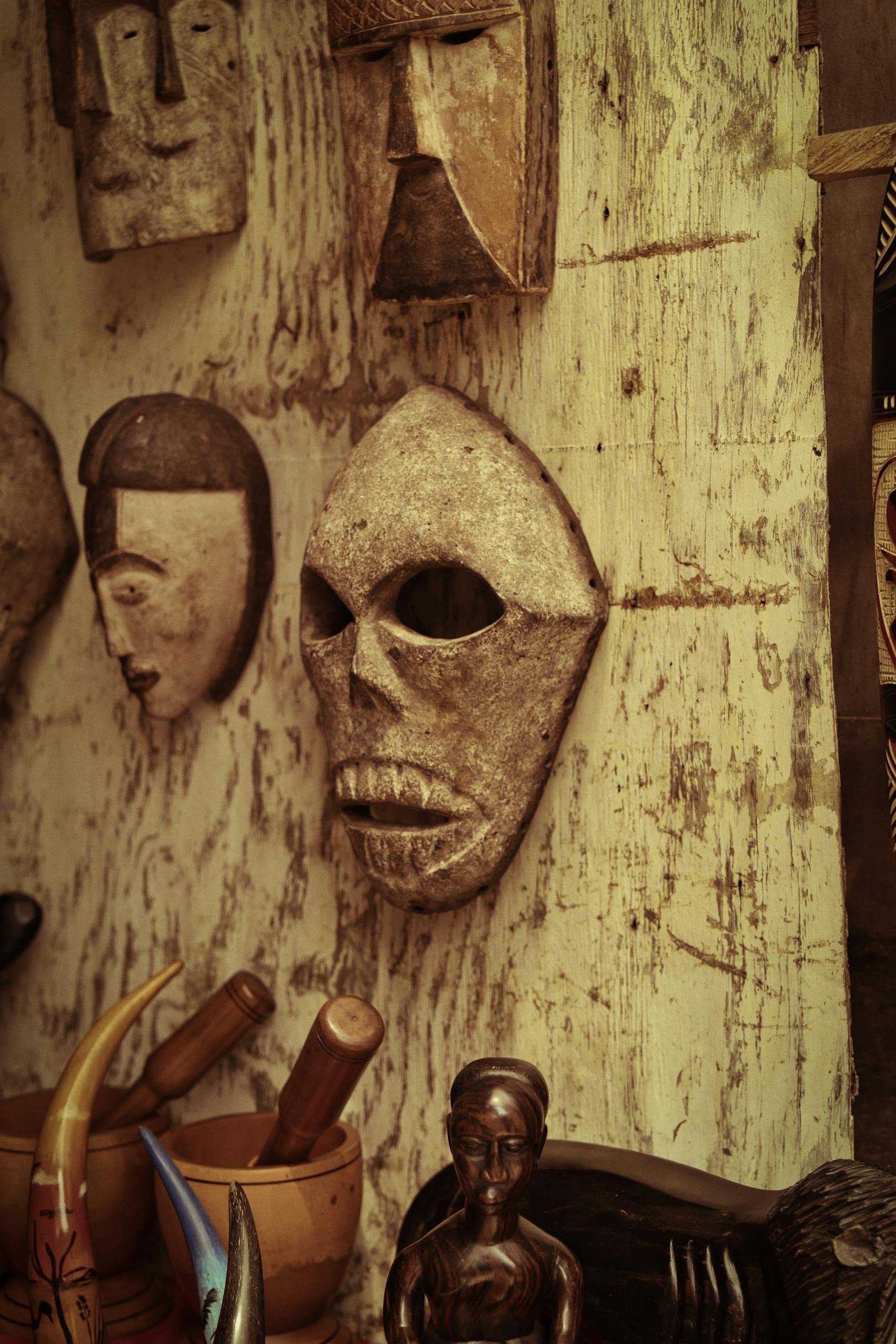
- Material Inconsistencies: Authentic African wood carvings, bronze sculptures, and Asian porcelains have specific textures, weights, and finishes. For example, African tribal masks are often carved from a single piece of wood, showing natural aging, whereas fakes may use composite materials or modern synthetic finishes.
- Suspicious Provenance: Always ask for documentation. Legitimate artifacts often have a paper trail—previous owners, auction records, or museum catalog references. Vague or unverifiable histories are a warning sign.
- Overly Perfect Craftsmanship: While high-quality craftsmanship exists, many fakes are “too perfect.” Authentic artifacts often bear minor imperfections from handcrafting, use, and age.
- Inaccurate Iconography or Style: Research the region and period. African masks, for example, vary significantly across ethnic groups, and Asian ceramics have distinct glazes and motifs depending on the dynasty. Misaligned designs or stylistic inconsistencies can indicate forgery.
- Artificial Aging: Some fakes are artificially aged to appear antique. Be wary of unnatural patinas, uniform wear, or chemical treatments meant to simulate centuries of use.
Practical Steps to Ensure Authenticity
- Buy from Reputable Sources: Museums, established auction houses, and certified dealers are more likely to offer genuine artifacts. Avoid unverified online sellers or flea markets for high-value pieces.
- Consult Experts: Art historians, appraisers, and cultural specialists can often spot fakes that even experienced collectors might miss.
- Research Thoroughly: Learn about the specific region, style, materials, and era of the artifact you’re interested in. Knowledge is your strongest defense.
- Request Certification: Some artifacts come with certificates of authenticity or appraisal reports. Always review these carefully.
The Cultural Responsibility of Collectors
Investing in African and Asian artifacts isn’t just a financial choice—it’s a responsibility. Collectors have the power to preserve heritage, support artisans, and ensure that the history embedded in each piece is respected. By prioritizing authenticity, you honor the culture behind the artifact while protecting your investment.
Conclusion
In the world of African and Asian artifacts, authenticity is everything. Beyond financial gain, it ensures you are connecting with a piece of history, respecting cultural traditions, and supporting the integrity of the art market. By learning to spot fakes, consulting experts, and conducting thorough research, you safeguard both your investment and the rich stories that these artifacts carry across generations.