How to Properly Store and Care for Your Collectibles
Whether you collect antique jewelry, rare art pieces, vintage toys, or historical artifacts, one truth remains universal: proper care and storage directly impact the long-term value of your collectibles.
Collectors often focus on finding rare pieces, but the real investment protection happens after you bring the item home.
This guide breaks down everything you need to know to keep your treasures safe, preserved, and valuable for many years.
Why Proper Care Matters
Collectibles are sensitive. Exposure to moisture, heat, sunlight, dust, or improper handling can cause irreversible damage—fading, discoloration, rust, mold, or structural breakdown.
Proper storage helps you:
- Maintain condition and resale value
- Prevent deterioration
- Preserve historical integrity
- Protect against environmental damage
- Pass down items in good condition
It’s not just care—it’s investment protection.
1. Understand the Material of Your Collectible
Different materials require different environments. Before storing anything, identify what it’s made of:
Common Materials & Their Needs
• Metals (gold, silver, bronze) — need dry, low-humidity environments
• Paper (posters, letters, books) — need acid-free storage & minimal light
• Textiles (vintage clothing, scarves) — need breathable boxes and moth protection
• Wood (furniture, carvings) — needs stable temperature & dust protection
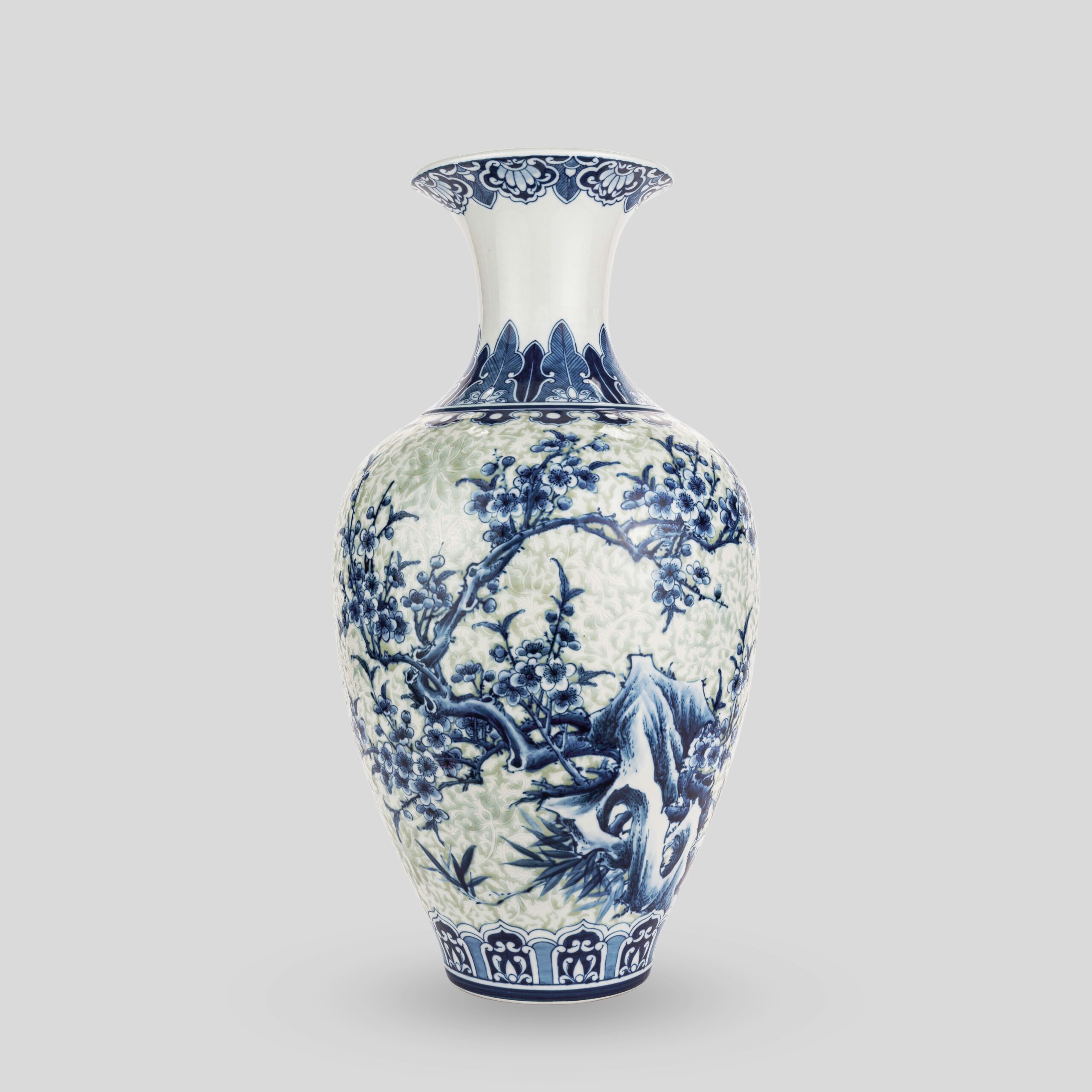
• Ceramics & Glass — need padded storage and minimal movement
• Artworks — need UV protection and controlled humidity
Tip: If you’re unsure, search for conservation guides specific to that item type or ask an expert.
2. Control Temperature and Humidity
Environmental conditions can make or break the condition of your collectible.
Ideal Conditions
- Temperature: 18–22°C (65–72°F)
- Humidity: 45–55%
What Happens Without Control
- High humidity → mold, corrosion, warping
- Low humidity → cracking, brittleness
- Heat → color fading, glue breakdown
- Temperature swings → fractures, warping
Solution:
Use dehumidifiers, silica gel packs, or climate-controlled display cases for sensitive items like art, vintage books, or antique jewelry.
3. Protect Items from Sunlight
Direct sunlight is one of the most damaging environmental factors.
Why Sunlight Is Dangerous
- UV rays cause fading
- Heat weakens materials
- Discoloration happens even behind windows
How to Protect
- Display in low-light or no-sun areas
- Use UV-blocking glass frames
- Store items in opaque boxes
- Avoid fluorescent bulbs—use warm LED instead
4. Use Proper Cleaning Techniques
Every collectible requires gentle and correct cleaning. Avoid DIY cleaning hacks, as they often cause damage.
General Guidelines
- Never use water on paper items
- Never use harsh chemicals on metal or wood
- Never scrub vintage textiles
- Avoid abrasive materials
- Test cleaning methods on a small hidden area first
For valuable items, especially antique jewelry, artwork, or rare books, professional cleaning is best.
5. Use the Right Storage Materials
Storage materials should be archival-grade to prevent chemical damage.
Recommended Materials
- Acid-free boxes for documents, posters, books
- Soft microfiber or velvet pouches for jewelry
- Padded containers for ceramics or glass
- UV-protected frames for art
- Breathable garment bags for textiles
Avoid
- Cardboard boxes (acidic)
- Plastic bags (trap moisture)
- Newspaper (inks transfer)
- Cheap foam (breaks down over time)
6. Handle Your Collectibles with Care
Good handling reduces accidental damage.
Handling Tips
- Wash and dry your hands before touching
- Wear cotton or nitrile gloves for sensitive items
- Hold items by the strongest part (never by edges or handles)
- Avoid touching surfaces—finger oils can tarnish or stain
- Don’t stack items on top of each other
When moving items, especially heavy pieces, always provide adequate support.
7. Organize and Label Your Collection
A well-organized collection is easier to store and safer to maintain.
How to Organize
- Sort items by type, age, or value
- Label storage boxes or shelves
- Keep an inventory list (spreadsheet or app)
- Include photos and notes about item condition
This becomes extremely useful for insurance, resale, or inheritance planning.
8. Insure Valuable Collectibles
If your collection contains high-value items, consider insurance.
Why It’s Important
- Covers loss, theft, fire, or damage
- Ensures financial protection
- Gives peace of mind
Get a professional appraisal before insuring. Update the appraisal every few years as market value changes.
9. Display Collectibles Safely
Displaying your collectibles can be both beautiful and secure.
Safe Display Methods
- Use sturdy shelves with guards
- Install anti-tip mechanisms for heavy items
- Choose display cases with UV protection
- Keep items away from heat sources
- Rotate displays to prevent long-term exposure damage
Make sure items are not at risk of being knocked over, especially if you have children or pets.
10. Regularly Inspect and Maintain
Small issues grow into big damage if ignored.
Inspection Checklist (every 3–6 months)
- Signs of mold or moisture
- Loose settings (for jewelry)
- Metal tarnish
- Dust accumulation
- Cracks or structural changes
- Fading or discoloration
- Pest activity (especially for textiles and books)
Fix issues early to preserve value.
Final Thoughts
Proper storage and care aren’t just about keeping items clean; they’re about protecting history, craftsmanship, and long-term value.
Whether you’re collecting art, vintage jewelry, coins, or rare antiques, the way you care for them today determines their worth tomorrow.
Treat your collectibles with the same passion you had when acquiring them, and they will remain beautiful, meaningful, and valuable for generations.