Top 10 Trusted Places to Sell Your Antiques & Collectibles
Selling antiques and collectibles is no longer limited to local dealers or dusty shops. Today, sellers have access to global buyers, competitive auctions, and specialized marketplaces—each offering different advantages depending on what you’re selling.
Choosing the right platform can mean the difference between a quick sale and maximum value. This guide breaks down 10 trusted places to sell your antiques and collectibles, explaining what works best, for whom, and why.
1. Online Curated Auction Platforms
Best for: Rare, valuable, or specialist items
Curated online auctions connect sellers with expert reviewers and a global pool of buyers. Items are vetted before acceptance, which builds buyer confidence and often leads to stronger prices.
Why they work:
- Professional cataloging
- Trusted expert review
- Competitive bidding
- International exposure
Best for:
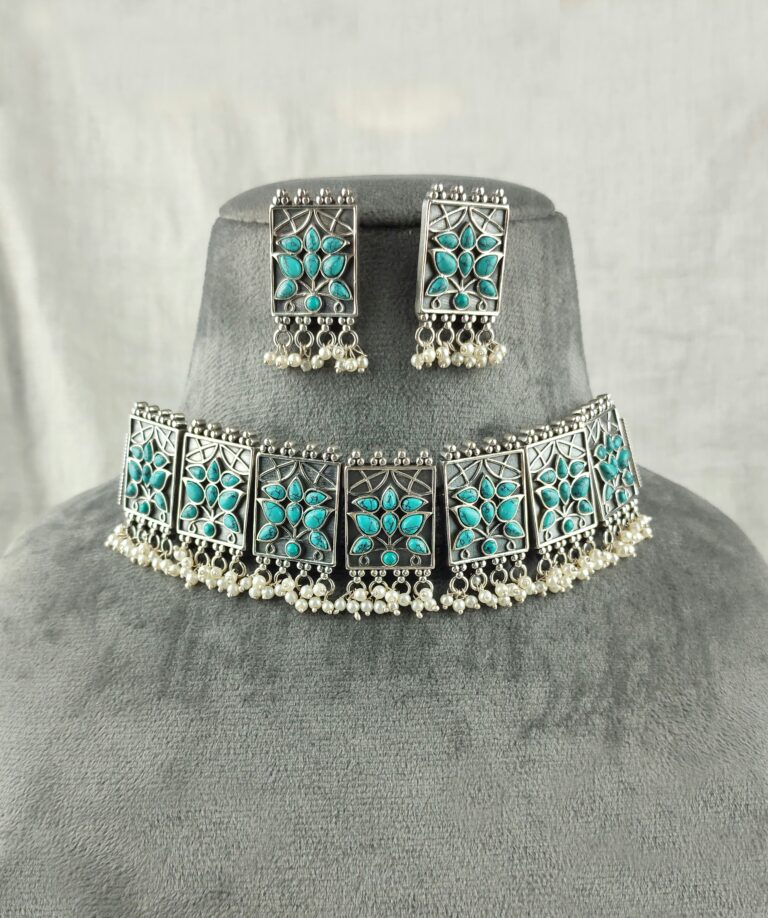
- Art, jewelry, watches
- Vintage collectibles
- Coins, manuscripts, design pieces
⏱ Timeline: Moderate
💰 Potential value: High
2. Major Global Auction Houses
Best for: High-value antiques and fine art
Established auction houses offer prestige, credibility, and access to serious collectors. While commissions can be higher, exceptional items often achieve premium results.
Pros:
- Strong buyer trust
- Marketing support
- Proven sales history
Cons:
- Selective acceptance
- Longer lead times
3. Peer-to-Peer Online Marketplaces
Best for: Everyday collectibles and vintage items
These platforms allow sellers to list items directly to buyers with fixed pricing or auctions.
Why sellers use them:
- Full pricing control
- Fast listings
- Large user base
Best for:
- Vintage fashion
- Toys
- Household collectibles
- Lower-to-mid value antiques
⚠️ Tip: Always check sold listings, not asking prices.
4. Specialist Collectibles Marketplaces
Best for: Niche or category-specific items
Some platforms focus on specific collector communities, such as watches, books, stamps, or design objects.
Benefits:
- Targeted buyers
- Informed audience
- Higher trust within the niche
If your item fits a specialty category, these platforms often outperform general marketplaces.
5. Local Auction Houses
Best for: Large, fragile, or regionally relevant items
Local auction houses are ideal for:
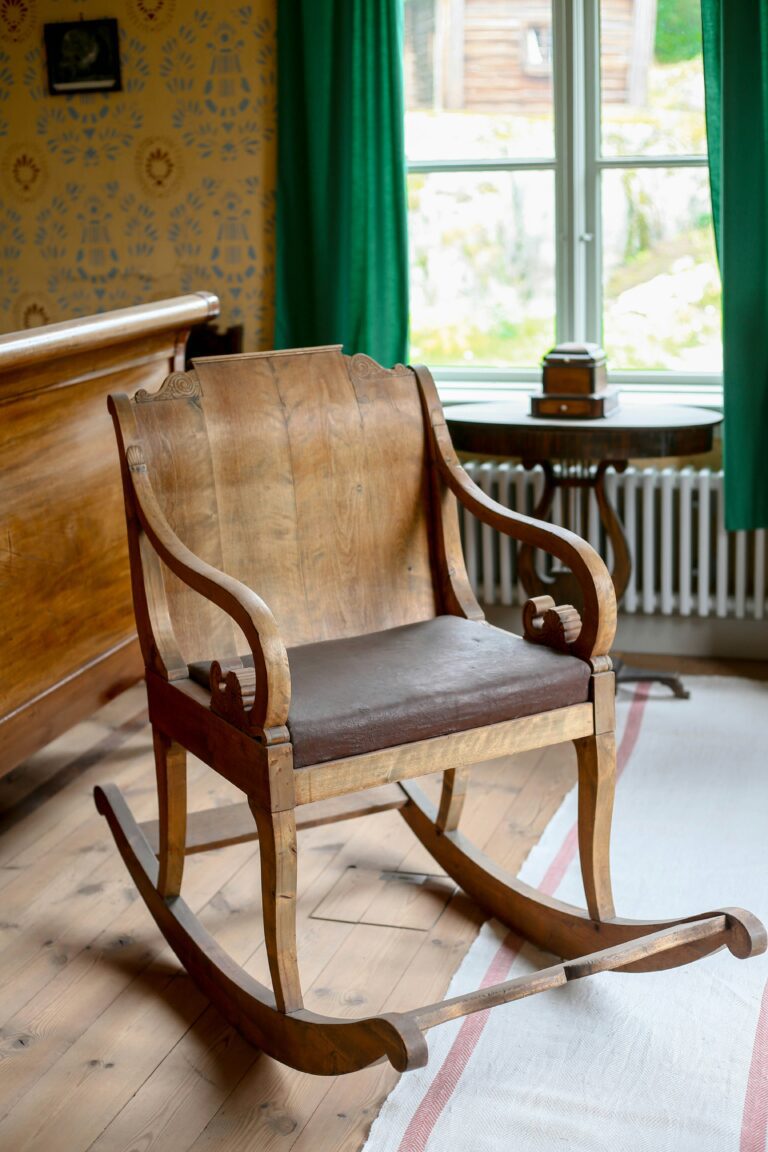
- Furniture
- Decorative arts
- Estate collections
Advantages:
- No international shipping
- Hands-on inspection
- Local buyer base
6. Antique Dealers & Private Buyers
Best for: Quick sales and immediate payment
Dealers buy items outright or on consignment. While prices may be lower than auction results, the convenience is often worth it.
Good option if:
- You want fast cash
- You’re selling bulk items
- The market value is modest
7. Consignment Galleries & Shops
Best for: Decorative antiques and lifestyle pieces
Consignment shops display your item in a retail environment and take a commission when it sells.
Pros:
- Professional presentation
- Passive selling
Cons:
- Longer selling period
- Commission fees
8. Online Estate Sale Platforms
Best for: Large collections or inherited items
These platforms manage entire estates, listing multiple items simultaneously and handling logistics.
Ideal for:
- Inherited collections
- Downsizing
- Estate liquidation
9. Collector Forums & Communities
Best for: Knowledgeable buyers and fair pricing
Forums and collector groups often have strict rules and knowledgeable members. Transactions here are usually informed and transparent.
Examples:
- Watch collectors
- Coin forums
- Vintage toy communities
Trust and reputation matter greatly in these spaces.
10. Social Media & Private Sales
Best for: Building long-term buyer relationships
Platforms like Instagram and Facebook allow sellers to showcase items visually and engage directly with collectors.
Works well if:
- You build credibility
- You provide detailed descriptions
- You engage consistently
⚠️ Important: Use secure payment methods and clear terms.
How to Choose the Right Selling Platform
Ask yourself:
- What is the item’s value?
- How fast do I want to sell?
- Is my item fragile or easy to ship?
- Do I want expert handling or full control?
| Item Type | Best Option |
|---|---|
| High-value art | Auction house |
| Vintage collectibles | Online curated auctions |
| Furniture | Local auctions |
| Everyday vintage | Online marketplaces |
| Estate collections | Estate platforms |
Common Mistakes to Avoid
- Overpricing based on emotion
- Ignoring platform fees
- Poor photos and descriptions
- Choosing speed over value (or vice versa)
Final Thoughts
There is no single “best” place to sell antiques and collectibles—only the right place for your item. Successful sellers match the object to the platform, understand buyer behavior, and price realistically.
With the right approach, selling your antiques can be both profitable and rewarding.