The Future of Digital Collectibles & Art (NFTs and Beyond)
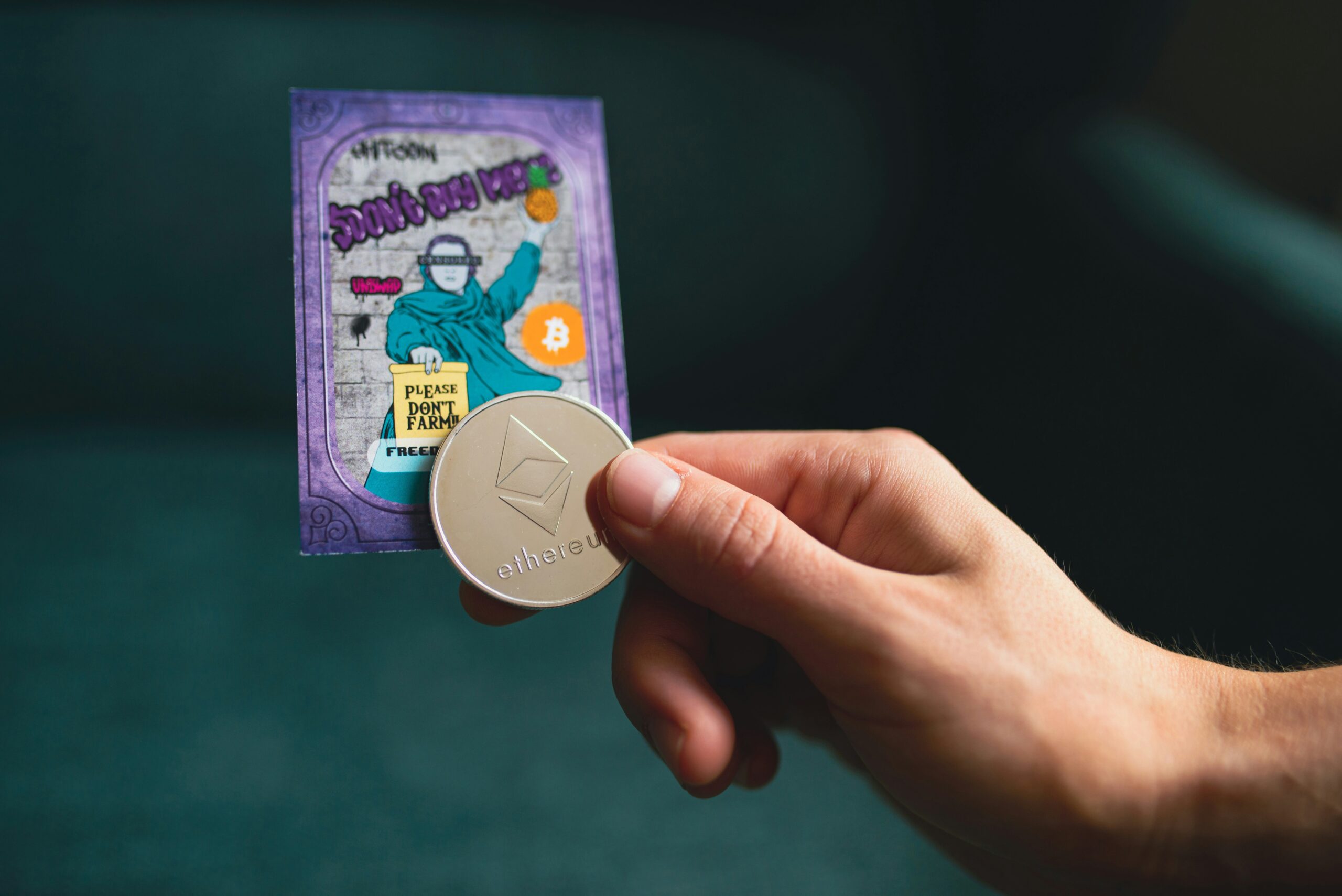
The world of collecting is evolving faster than ever. While antiques, art, and vintage treasures remain timeless, a new frontier has emerged—digital collectibles. From NFTs (non-fungible tokens) to virtual galleries and blockchain-verified artworks, collectors are entering a future where value, ownership, and creativity extend far beyond physical objects.
This guide explores where digital collectibles are heading, why they matter, and how new and seasoned collectors can prepare for the next era of art and value.
1. The Rise of Digital Collectibles: A New Era of Ownership
Digital collectibles became mainstream with the explosive growth of NFTs in 2020–2021. For the first time, digital files—images, music, animations, and even tweets—could be owned, traded, and verified through blockchain technology.
Why This Matters
Traditionally, digital content could be copied endlessly. But NFTs changed that by creating:
- Unique ownership records
- Traceable provenance
- Limited editions
- Digital scarcity
This opened the door for digital art to be treated with the same seriousness as physical art.
2. Blockchain: The Technology Behind the Revolution
At the heart of digital collectibles is blockchain, a decentralized digital ledger that guarantees authenticity and ownership.
Key Features of Blockchain That Benefit Collectors
- Tamper-proof provenance
- Transparent ownership history
- Global accessibility
- Protection against forgery
For collectors of art and rare items, blockchain provides the one thing the digital world always lacked: trust.
3. Beyond JPEGs: Expanding Forms of Digital Collectibles
NFTs started with digital art, but the technology is expanding into multiple industries.
3.1 Virtual Fashion
Brands now release:
- Digital clothing
- Wearable NFTs for avatars
- Limited-edition sneakers for the metaverse
These can be collected, resold, or displayed in virtual worlds.
3.2 Gaming Assets
Gamers can now own:
- Weapons
- Skins
- Characters
- Virtual land
These assets have real-world value and can be traded on marketplaces.
3.3 Music & Audio Collectibles
Artists are selling:
- Limited music tracks
- Exclusive album editions
- VIP access tokens
This brings artists and fans closer than ever.
3.4 Metaverse Real Estate
Platforms like Decentraland and The Sandbox let people buy digital land. Some plots sell for the price of real-world condos.
4. Digital Art Galleries & Virtual Exhibitions
With digital art on the rise, new ways to display it are emerging.
How Collectors Display Digital Art Today
- Digital frames
- Virtual reality galleries
- 3D metaverse exhibitions
- NFT-based museums
Collectors can curate virtual exhibitions, invite others online, and even lease their digital art to galleries.
The future of art appreciation is borderless.
5. Real-World Art Meets Digital: Phygital Collectibles
The line between physical and digital items is blurring. “Phygital” refers to collectibles that exist both physically and digitally.
Examples
- A physical sculpture paired with an NFT certificate
- Jewelry with a blockchain-verified diamond record
- Luxury handbags with digital twins for authentication
This combination increases value, security, and collector confidence.
6. The Investment Potential: Are Digital Collectibles a Smart Buy?
Digital collectibles can be lucrative—but the market is volatile.
Why They Attract Investors
- Scarcity can increase value
- Artist reputation boosts long-term potential
- Blockchain ensures authenticity
- Early adoption can yield high returns
But There Are Risks
- Market fluctuations
- Overhyped projects
- Technology changes
- Regulatory uncertainty
Smart collectors treat digital assets like any collectible: research before investing.
7. How to Safely Start Collecting Digital Art
If you’re new to digital collectibles, here’s how to begin responsibly:
Step 1: Learn the Basics
Understand blockchain, wallets, marketplaces, and NFT types.
Step 2: Choose a Trusted Marketplace
Examples include:
- OpenSea
- Foundation
- Rarible
- SuperRare
Step 3: Set Up a Secure Wallet
MetaMask, Ledger (hardware), or Coinbase Wallet.
Step 4: Verify the Artist & Authenticity
Check:
- Profile history
- Past sales
- Community presence
- Contract details
Step 5: Start Small
Avoid expensive purchases until you understand the market.
8. Future Trends Shaping Digital Collectibles
The digital space is young, but several powerful trends are already forming.
8.1 Tokenization of Real-World Assets
Soon, physical assets like:
- Real estate
- Fine art
- Cars
- Collectibles
…may be tokenized into fractional digital shares.
8.2 AI-Generated Art
AI is creating new forms of dynamic, evolving artwork that can change over time.
8.3 Government Regulation
As countries define laws for digital ownership, NFTs will become more stable and mainstream.
8.4 Eco-Friendly Blockchains
New networks are reducing the environmental impact of digital assets.
8.5 Cross-Platform Collecting
Your digital art may soon be transferable across multiple metaverses and gallery platforms.
9. Will Digital Collectibles Replace Traditional Art?
No—but they will coexist.
Traditional art offers:
- Physical presence
- Historical value
- Craftsmanship
- Emotional and cultural depth
Digital collectibles offer:
- Global accessibility
- Limitless innovation
- High-tech verification
- Immersive experiences
Collectors of the future will likely own both.
Final Thoughts
The future of digital collectibles and art is bright, bold, and constantly evolving. While still young, this space is redefining what it means to own, display, and appreciate creativity.
For collectors—new or seasoned—this is a historic moment. Understanding digital art now could position you at the forefront of the next major cultural and financial shift.
Whether you love antiques, contemporary art, or futuristic digital pieces, one thing is certain:
The future of collecting is hybrid, innovative, and more accessible than ever before.