
Top 10 Valuable Art Styles Every New Collector Should Know
Stepping into the world of art collecting can feel overwhelming—countless genres, time periods, and artistic expressions. But understanding key valuable and historically significant art styles gives you the confidence you need to start building a smart, meaningful collection.
Whether you’re collecting for passion, investment, or education, these 10 art styles stand out as some of the most influential and value-holding across galleries, museums, and auction houses today.
Let’s dive in.
1. Renaissance Art
Renaissance art (14th–17th century) is one of the most celebrated and valuable eras in art history. Works from this period focus on humanism, anatomical precision, realism, and balanced composition.
Artists include: Leonardo da Vinci, Michelangelo, Raphael.
Why it’s valuable:
- Scarcity — these pieces are centuries old.
- Historical significance — the foundation of modern Western art.
- High demand — museums, collectors, and institutions seek them.
What new collectors should know:
Original Renaissance masterpieces rarely appear for sale; however, drawings, lesser-known artists, and period pieces are sometimes available.
2. Baroque Art
Dramatic, emotional, and striking—Baroque art (17th century) uses vivid contrasts and movement to tell powerful stories.
Key features:
- Dynamic lighting (chiaroscuro)
- Emotional intensity
- Religious and historical themes
Why it’s valuable:
Baroque works continue to appreciate due to their beauty, craftsmanship, and cultural influence.
3. Impressionism
Impressionism emerged in the late 1800s and completely transformed painting. Artists like Monet and Renoir broke traditional rules and focused on capturing light, color, and natural moments.
Key features:
- Visible brushstrokes
- Outdoor scenes
- Pastel colors and atmospheric mood
Why collectors love it:
Impressionism is one of the most popular and recognizable art styles. Even lithographs and prints from Impressionist artists can be incredibly valuable.
4. Post-Impressionism
Following Impressionism, artists like Van Gogh, Cezanne, and Gauguin pushed boundaries further with emotion, symbolism, and bold color.
Key features:
- Thick brushstrokes
- Emotional intensity
- Creative, dream-like compositions
Value insight:
Original works are rare and extremely high-value, but sketches, prints, and lesser-known artists from the period are more accessible.
5. Modern Art
Modern art spans many movements (c. 1900–1970), including Cubism, Surrealism, Abstract Expressionism, and Fauvism. This era challenged traditional standards with new forms, geometry, and symbolism.
Why it’s valuable:
- Key artists like Picasso, Dali, and Rothko dominate auction records.
- Modern art introduced revolutionary techniques still used today.
Tip for collectors:
Look for authenticated works by mid-tier modern artists—they often grow in value.
6. Abstract Art
Abstract art represents ideas, shapes, color, and emotion rather than real objects. Artists like Kandinsky and Mondrian pioneered this non-representational style.
Why it attracts collectors:
- Bold visual impact
- Fits well in modern interiors
- Strong investment potential, especially large canvases
What new collectors should know:
Provenance (ownership history) is crucial—abstract works are heavily forged.
7. Contemporary Art
Contemporary art refers to works created from the late 20th century to today. It’s one of the most active and fast-growing segments of the art market.
Key characteristics:
- Innovation and experimentation
- New media (digital art, installations, mixed media)
- Cultural and social themes
Why it’s valuable:
Contemporary artists often gain recognition quickly. If you collect early, their work may appreciate dramatically.
8. Pop Art
Pop art became famous in the 1950s–70s, making everyday items and celebrities into bold, colorful works. Think Warhol, Lichtenstein, and Haring.
Why collectors love it:
- Instantly recognizable
- Vibrant and energetic
- Strong resale value
Even limited edition prints from Pop Art icons can command impressive prices.
9. Art Deco
Art Deco is a glamorous decorative style popular in the 1920s–1930s. It appears in sculptures, paintings, posters, furniture, and jewelry.
Key features:
- Geometric patterns
- Metallic colors
- Luxury and elegance
Why it’s valuable:
Original Art Deco pieces are sought after by collectors who love vintage fashion, architecture, and design.
10. African, Asian & Tribal Art
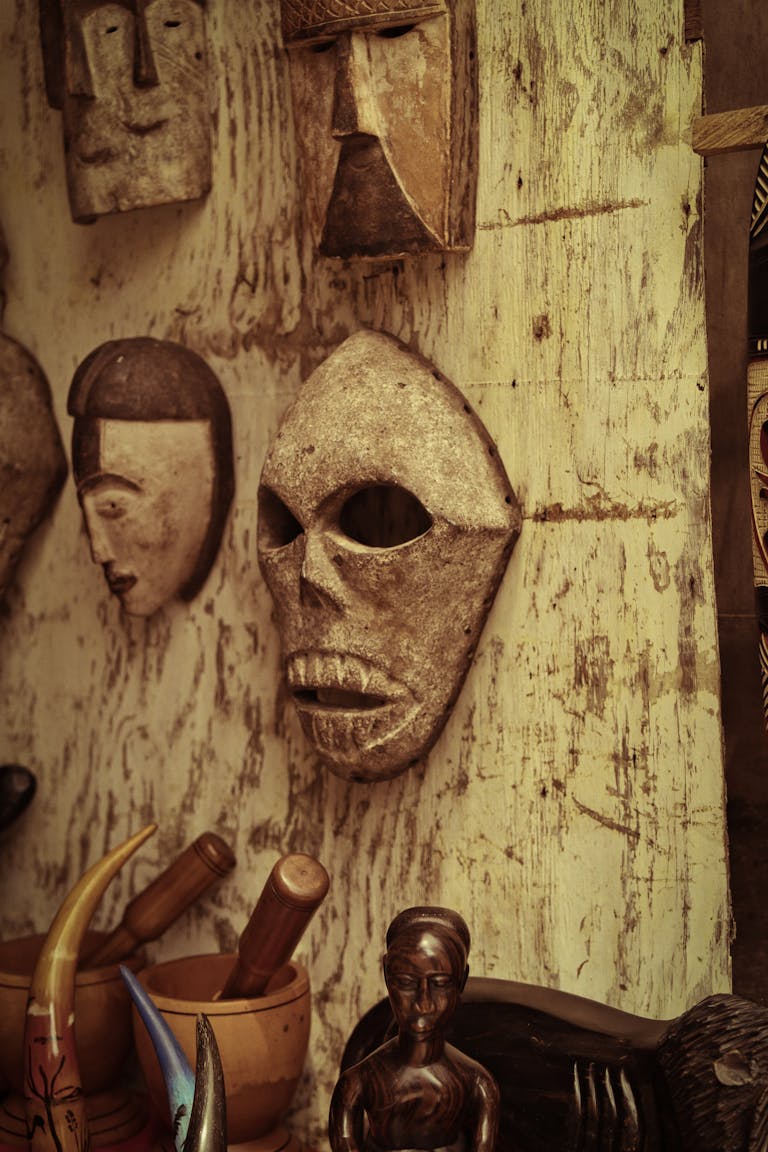
Traditional art from Africa, Asia, Oceania, and Indigenous communities has become one of the strongest-performing categories in the global auction market.
Why collectors value it:
- Deep cultural heritage
- Unique craftsmanship
- Limited availability on the market
- Increasing global recognition
Tip: Always buy from trusted sellers—authenticity in tribal art is extremely important and sometimes complex.
⭐ How to Choose the Right Art Style to Collect
If you’re just starting your collecting journey, consider these:
1. Follow your personal taste
Buy what you genuinely appreciate—you will enjoy your collection more.
2. Start with prints & works on paper
They are more affordable but still valuable.
3. Check authenticity and provenance
Especially for modern & abstract art.
4. Choose artists with rising demand
Emerging artists can be good long-term investments.
5. Track auction prices
Platforms like Catawiki, Sotheby’s, and Christie’s help you understand value.
⭐ Final Thoughts
Art collecting is both a passion and a smart investment. Understanding these essential art styles helps you make informed decisions, recognize value, and build a meaningful collection over time.
If you’re planning to collect art—whether antique icons or modern masterpieces—start with knowledge, curiosity, and trusted marketplaces.
Would you like me to write a Pinterest description, Instagram caption, or SEO keywords for this blog post?