What’s Included in a Sell-Ready Provenance Documentation Pack (And Why It Matters)
When selling collectibles, most sellers focus on the object itself — its beauty, rarity, or age.
But experienced buyers and auction houses are focused on something else:
Documentation.
Clear, organized, and credible documentation is often the difference between:
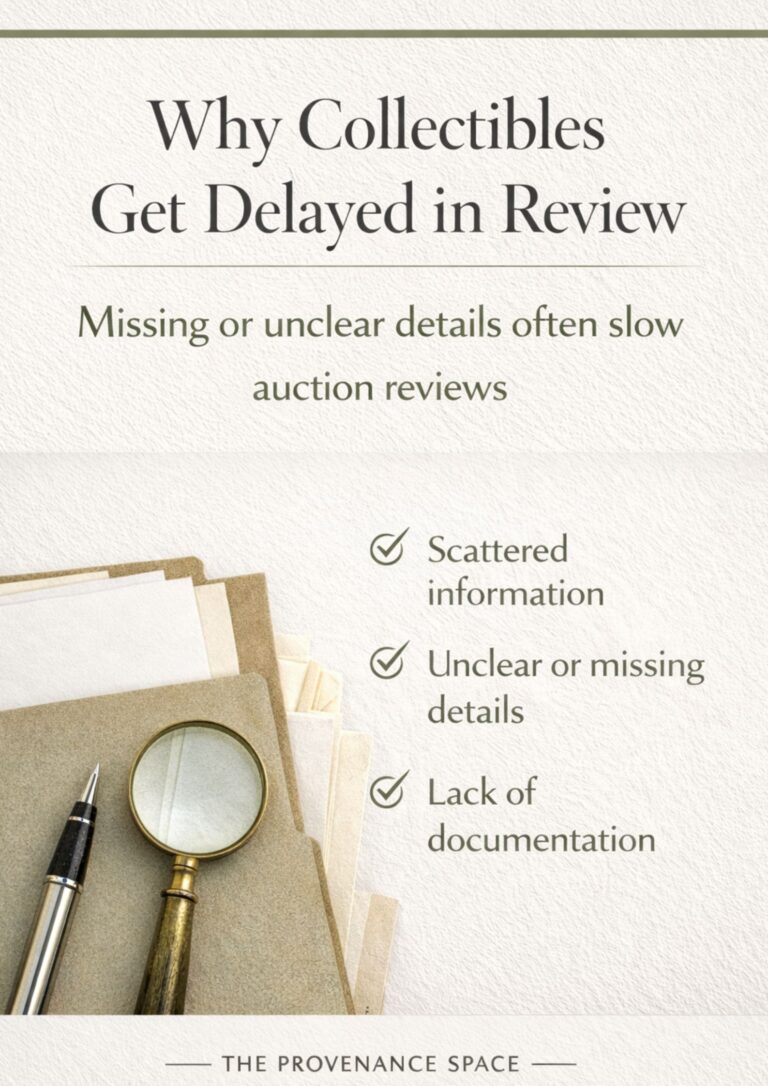
- A fast sale vs. long delays
- A strong price vs. heavy negotiation
- Acceptance by an auction house vs. rejection
That’s why a sell-ready provenance system isn’t just helpful — it’s essential.
Below is a breakdown of what’s included in a complete Sell-Ready Provenance Template Pack and how each component supports faster, smoother sales.
1. Sell-Ready Provenance Summary
This is the front-facing document sellers use most.
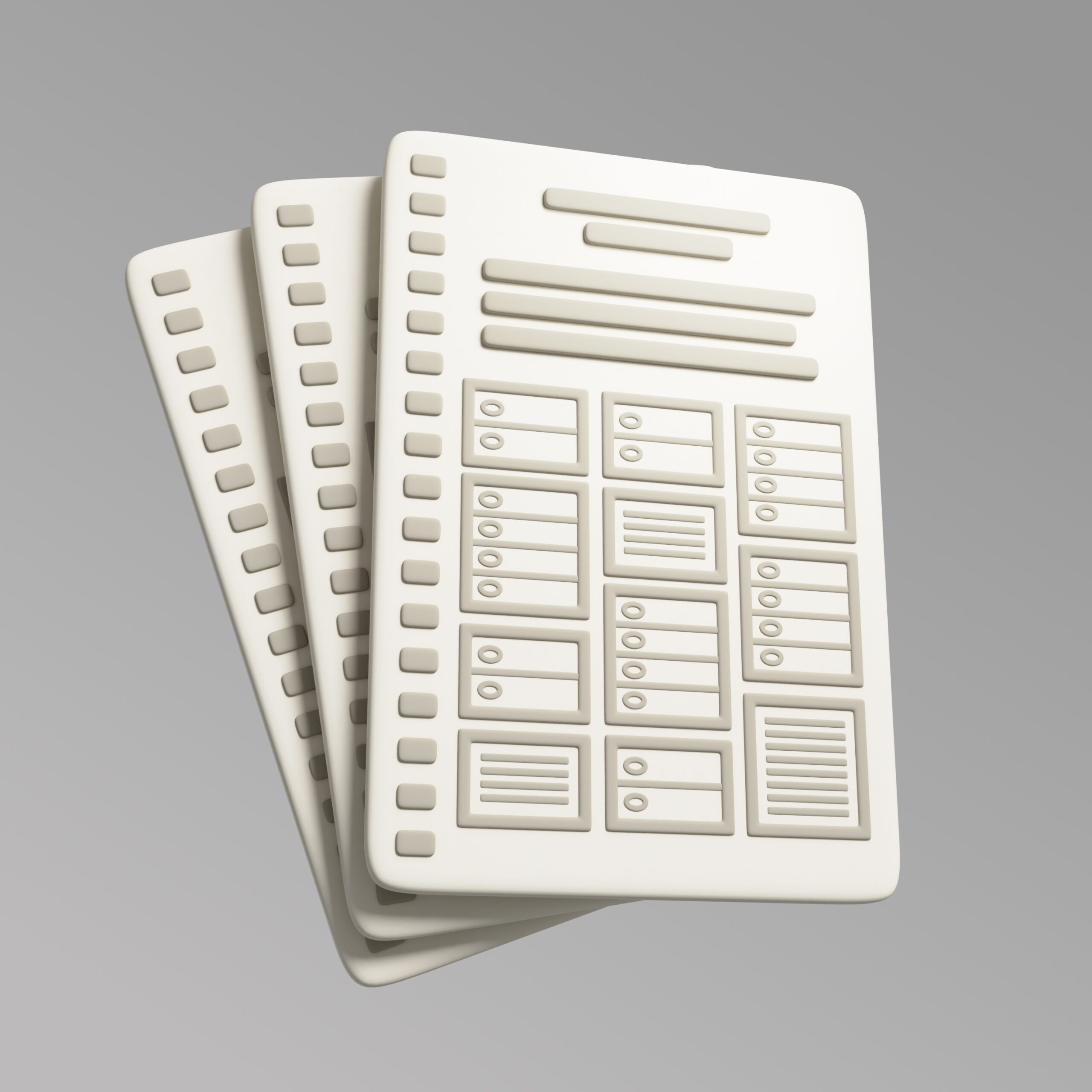
It’s a one-page summary that presents:
- What the item is
- Where it comes from
- What documentation supports it
- Its condition and authenticity notes
Buyers and auction houses don’t want long explanations. They want clarity — fast.
This summary gives them confidence at a glance and reduces follow-up questions.
Why it matters:
It builds trust immediately and helps buyers decide faster.
2. Ownership History Log
Many collectibles change hands multiple times. This log provides a clear, chronological record of ownership and transfers.
It helps sellers:
- Answer buyer questions confidently
- Support provenance claims
- Strengthen credibility, especially for inherited or older items
Even when gaps exist, documenting what is known is better than leaving history unclear.
Why it matters:
Transparency increases buyer confidence and reduces suspicion.
3. Condition Report Template
Condition is one of the most common causes of disputes after a sale.
This template helps sellers clearly document:
- Overall condition
- Visible wear or age-related marks
- Known repairs or restorations
By setting expectations upfront, sellers protect themselves and buyers feel reassured.
Why it matters:
Clear condition reporting reduces returns, complaints, and post-sale issues.
4. Pre-Sale Authentication Checklist
This checklist helps sellers assess an item before listing or submitting it for auction.
It focuses on:
- Key authenticity indicators
- Common red flags
- Documentation gaps that should be addressed
It doesn’t replace expert opinions, but it ensures sellers are prepared and informed.
Why it matters:
Prepared sellers avoid costly mistakes and last-minute surprises.
5. Auction Submission Worksheet
Auction houses expect structured information. This worksheet helps sellers organize everything auction specialists typically ask for, including:
- Provenance highlights
- Condition summary
- Pricing context
- Comparable references
Submitting well-prepared information improves acceptance and speeds up the review process.
Why it matters:
Auction houses are more responsive to sellers who submit professionally prepared material.
6. Buyer Handover Document
This document is used after the sale.
It records:
- What was transferred
- Condition at handover
- Documentation included
It protects both seller and buyer by creating a clear closing record.
Why it matters:
It minimizes misunderstandings and strengthens professional credibility.
7. Digital Documentation Index
Collectibles often come with multiple files — photos, receipts, certificates, reports.
This index helps sellers:
- Track where files are stored
- Share complete documentation easily
- Stay organized when selling multiple items
Why it matters:
Organization signals professionalism and saves time for everyone involved.
Why This System Works
Each document serves a specific role, but together they create something more powerful:
- Faster buyer decisions
- Fewer objections
- Stronger pricing confidence
- Better auction outcomes
This isn’t about paperwork for paperwork’s sake.
It’s about reducing risk, and when risk is reduced, value increases.
Final Thought
Great collectibles deserve clear documentation.
Whether you’re selling privately, online, or through an auction house, having a sell-ready provenance system helps you present your items with confidence, clarity, and credibility.
And in today’s market, that makes all the difference.